

Virtual patrolling vs mobile patrols
A mobile patrol puts a person on site at intervals. A virtual patrol checks the site's cameras on a schedule, records what it found, and messages the guard when a check fails. They are not rivals. One is coverage between visits, the other is the visit. This page sets them side by side for a guarding company that sells the second and is deciding whether to sell the first.
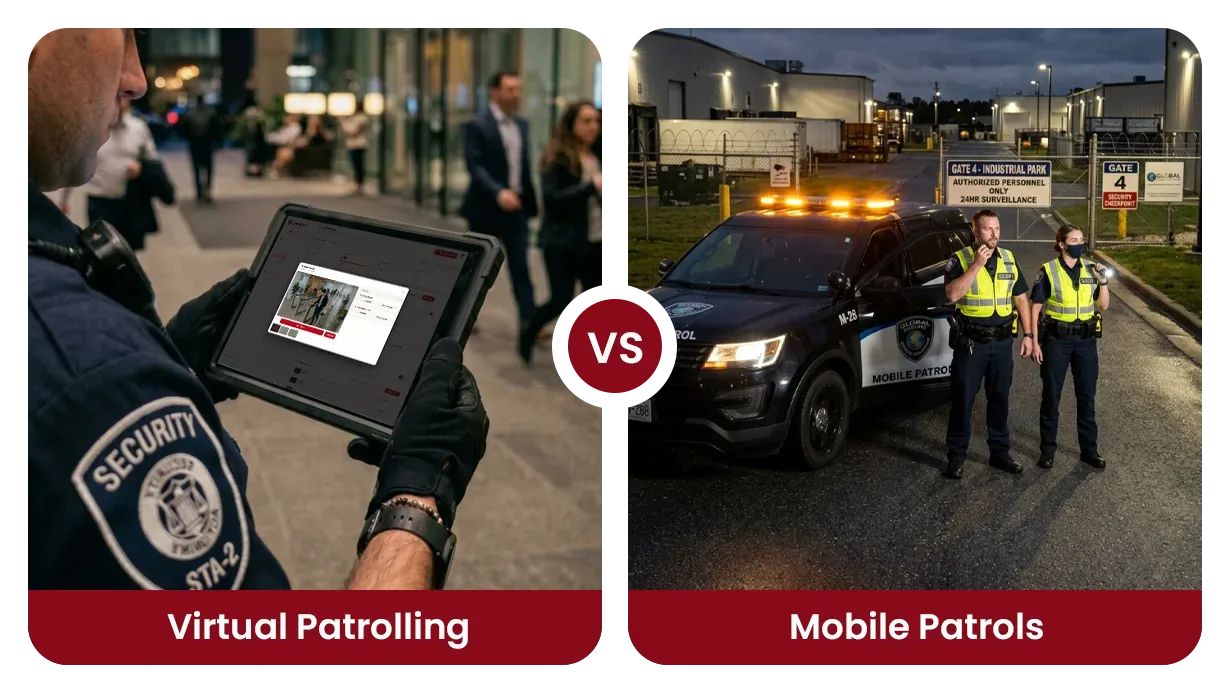
| Aspect | Virtual patrolling | Mobile patrols |
|---|---|---|
| What the client is buying | A recorded check of each condition, every round, with a frame | A visit to the site by a person, on a route, at intervals |
| Frequency | Every 30 minutes, hourly or two-hourly, per sequence, all night | Limited by drive time between sites on the route |
| What it verifies | Door closed, yard empty, dock down, camera unobstructed: a checklist per camera | That the driver attended and what they noticed |
| Evidence | Report per round: results, snapshots, before and after frames, compliance % | Visit log with time and notes |
| Response | None on its own. It messages the guard; a person still attends | The person is already there, for the minutes they are there |
| Staffing | Not capped by headcount; runs unattended on a schedule | One driver, one vehicle, one site at a time |
| Where it cannot work | Sites with no cameras, or areas no camera covers | Nowhere, given enough drivers |
| Sold as | A monthly service per client site | Per visit or per night |
What a drive-by cannot do
A mobile patrol route covers a dozen sites a night, which means each site sees a person for a few minutes and nobody for the rest. The dock door that was up at midnight is found at the 03:00 visit, if the driver looks, and the visit log says "all in order" for the eleven sites where nothing was noticed.
A scheduled camera round checks every one of those sites every hour, judges each item from the frame, and files a report with the frames in it. When an item fails, the driver is sent to that camera with a picture, not to the next site on the route. The client stops paying for drive-bys and starts paying for verified checks.
- 01CAM 01Main gate2 checks
- 02CAM 04Loading dock2 checks
- 03CAM 09Server room2 checks
- 04CAM 02Parking lot A1 checks
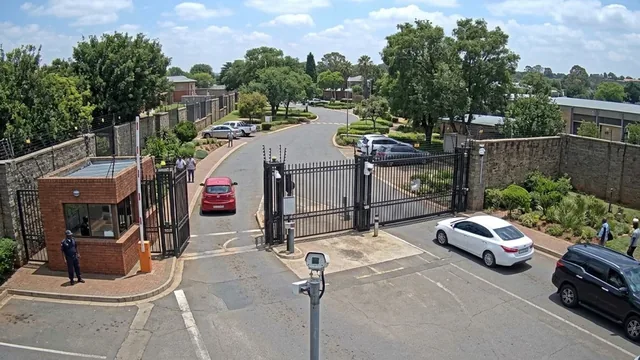
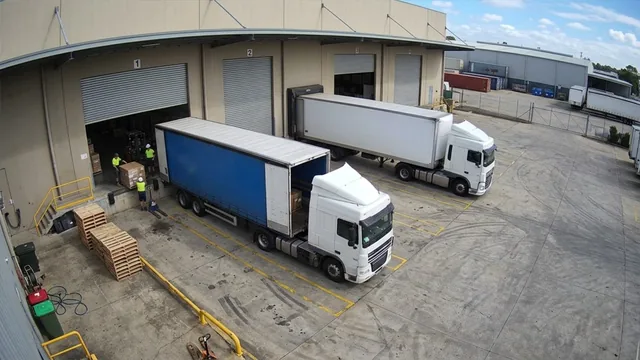
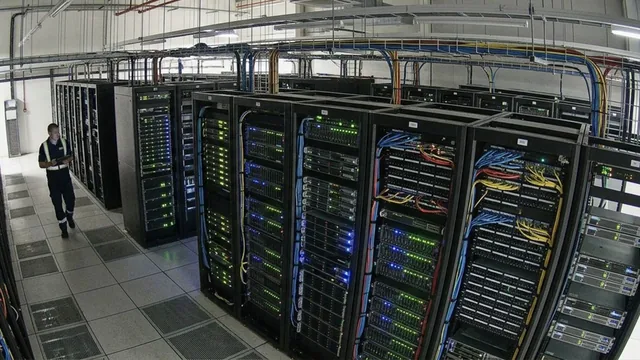
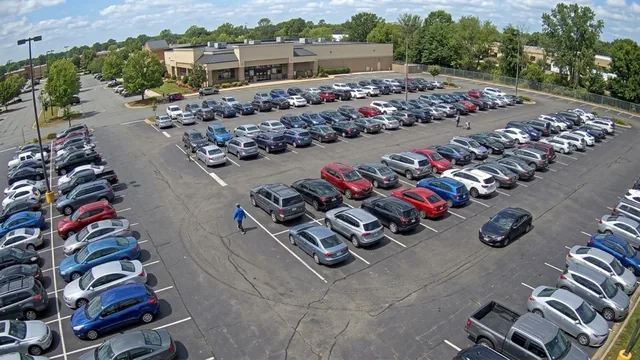
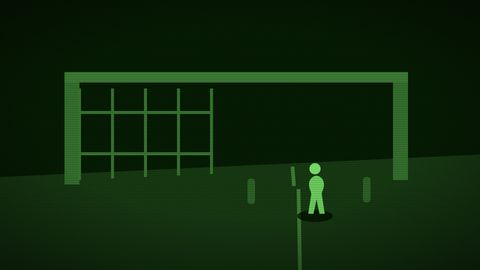
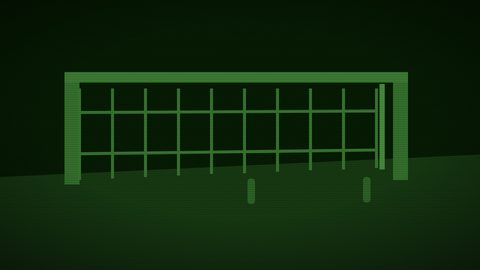
Guard message sent. Re-checked and closed with the second frame attached.
What a camera cannot do
It cannot close the door, move the vehicle or ask the person to leave. It cannot see an area with no camera on it. It cannot run when the site loses its internet connection, and it says so in the log rather than pretending. Every one of those is a reason the mobile patrol stays in the contract. A failed check messages the guard through guard notifications, which is where the drive-by becomes a dispatch.
The honest sale is both: rounds on the cameras all night, the driver dispatched to what fails, and a report per round the client can hand to their insurer. The security agencies page covers how the account is set up so each client sees only their own reports, and the selling guide covers the conversation.
The bottom line
Sell the round as coverage between visits and the visit as the response. Priced per client site per month, the round is revenue that is not capped by how many drivers you have. Run your own numbers in the agency mode of the ROI calculator; Camzify's cost is quoted against them.
Frequently asked questions
Ready to patrol your site 24/7?
Book a 15-minute demo and see a live patrol run on your own cameras.