

Trespassing detection
Trespassing detection is the automated identification of a person entering private or restricted property where and when they should not be. It covers exterior perimeters, open grounds, roofs and any area where human presence outside defined hours is itself the security event. Camzify does it on the cameras already installed, with a zone per area, a notification window per camera, and a snapshot to the guard when the rule is broken.
- A person on a confirmed track, not a moving shadow
- Notified in the hours you set
- Snapshot to the guard on the event
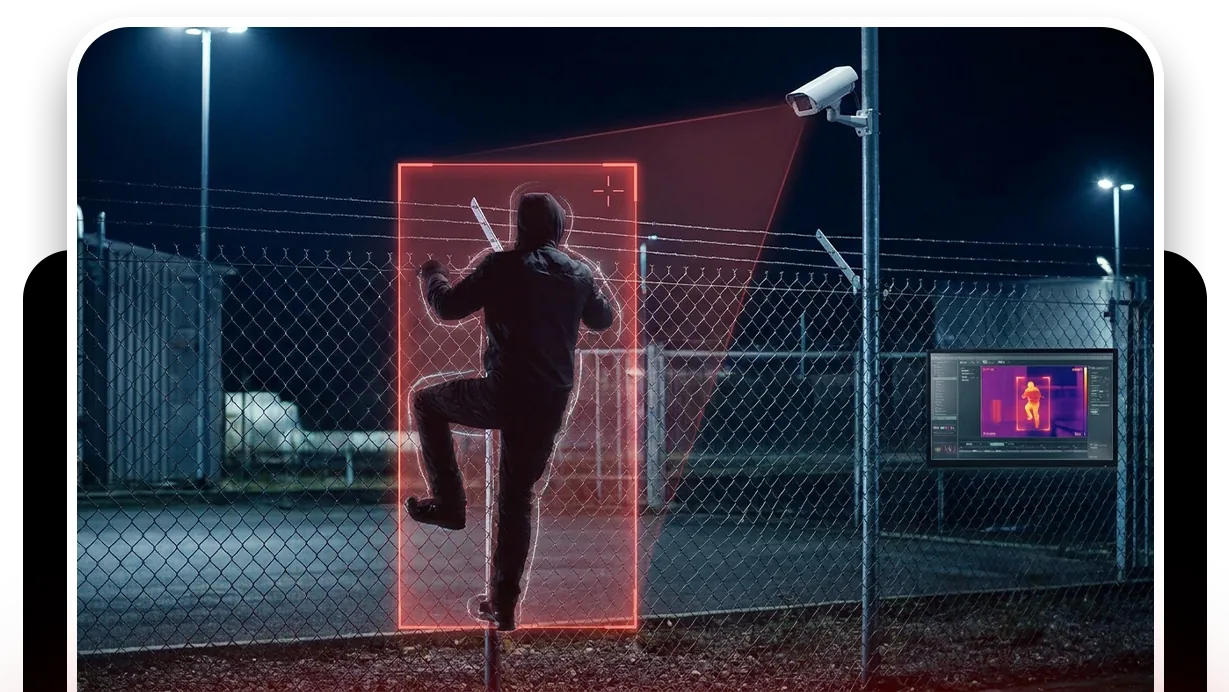
Trespassers do not use the gate
They climb the fence, cut through a gap or walk in from the unmonitored side. The controlled entrance with the badge reader and the well-lit camera is the one place they avoid. Static cameras on the rest of the boundary record the entry faithfully and tell nobody, so the site learns about it the next morning from the damage.
Motion alarms were meant to fix that and mostly get switched off within a month, because a perimeter at night is full of motion that is not a person. The useful signal was always a tracked human in a place with a rule against it.
- 01CAM 01Main gate2 checks
- 02CAM 04Loading dock2 checks
- 03CAM 09Server room2 checks
- 04CAM 02Parking lot A1 checks
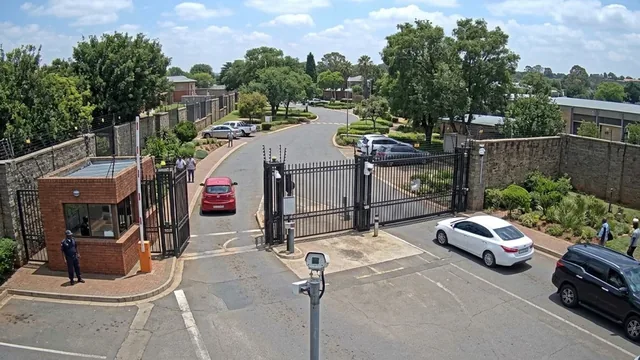
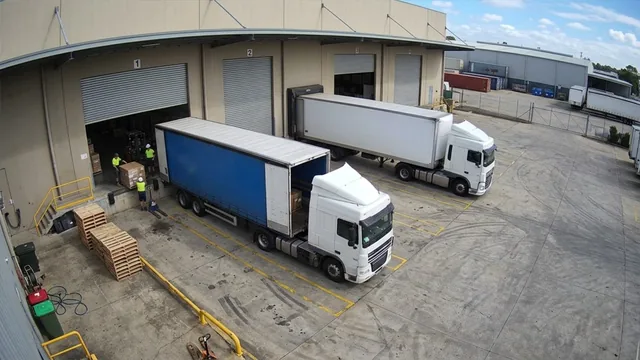

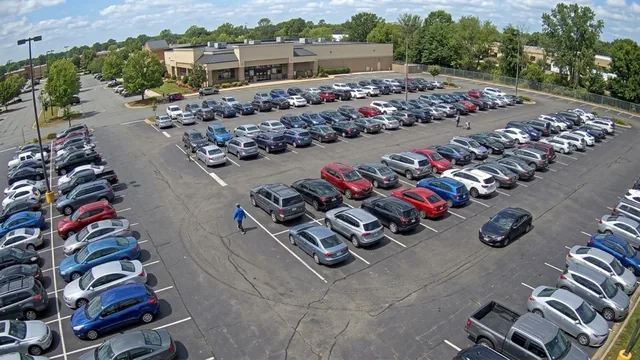
A zone per area, a window per camera, a snapshot when it breaks
Zone intrusion detection puts an area on the camera view, and the camera carries a notification window.
- The yard notifies between 8pm and 6am, the roof at any hour.
- A tracked person inside the zone raises an alert with the snapshot during the window and nothing outside it.
- Line intrusion detection covers the fence itself, a tripwire with a direction so that leaving is not the same event as entering.
Both fire on a track from multi-object tracking, the layer that follows each subject across frames and is the reason a headlight sweep or a bird does not raise a person alert. If the person is still there when the next patrol round reaches that camera, the checklist item fails as well, and the round writes it into the report with the frame.
Zone intrusion detection
An area with a notification window. A tracked person inside it during the window is the event.
DetectionLine intrusion detection
A directional tripwire on the fence, so climbing in and leaving are different events.
DetectionMulti-object tracking
Follows each person across frames so rules fire on a track, not on a shadow.
DetectionAI attribute extraction
Describes clothing and carried objects for the guard on arrival. Not facial recognition.
- No person in the yardCompliant
- Fence line intactCompliant
- Roof access ladder clearNot compliant
- Camera view unobstructedCompliant
A failed item is resolved as Fixed or Pending before the round can close.
What a grounds round checks
A trespassing round is the exterior and ground-level cameras in order, and the checklist at each asks whether the area is empty and the boundary intact.
- Run at a set frequency overnight, it produces a report that shows the grounds were checked and found clear at each time, which is the difference between a site that was watched and a site that merely had cameras.
- Automated rounds can also watch a scene for a short period rather than judging one frame, which matters for a yard where someone might be standing still.
- They raise a critical notification for a risk they see that the checklist did not ask about.
A check found Not Compliant captures a snapshot and messages the guard designated for that camera; on a manual round the operator chooses to send it, on an automated round it goes on its own. The item stays Pending until it is marked Fixed, which captures the after frame, and the report shows both.
The footage around every frame in that report stays under the camera's own retention window on cloud video surveillance, on the same account, so the still and the video it came from are never in two systems.
What it will not do
It describes, it covers what the cameras cover, and it leaves the decision to a person.
- It will not identify the person; attribute extraction describes, it does not recognize.
- It will not see a person the camera cannot see, so coverage gaps in the camera layout are coverage gaps in the detection.
- It will not intervene: it puts the snapshot in front of the guard designated for that camera, and what happens next is a human decision.
Detection rates depend on your cameras and lighting, and we do not publish a number for them. The trust page explains why.
Industries where this applies
Frequently asked questions
Ready to patrol your site 24/7?
Book a 15-minute demo and see a live patrol run on your own cameras.